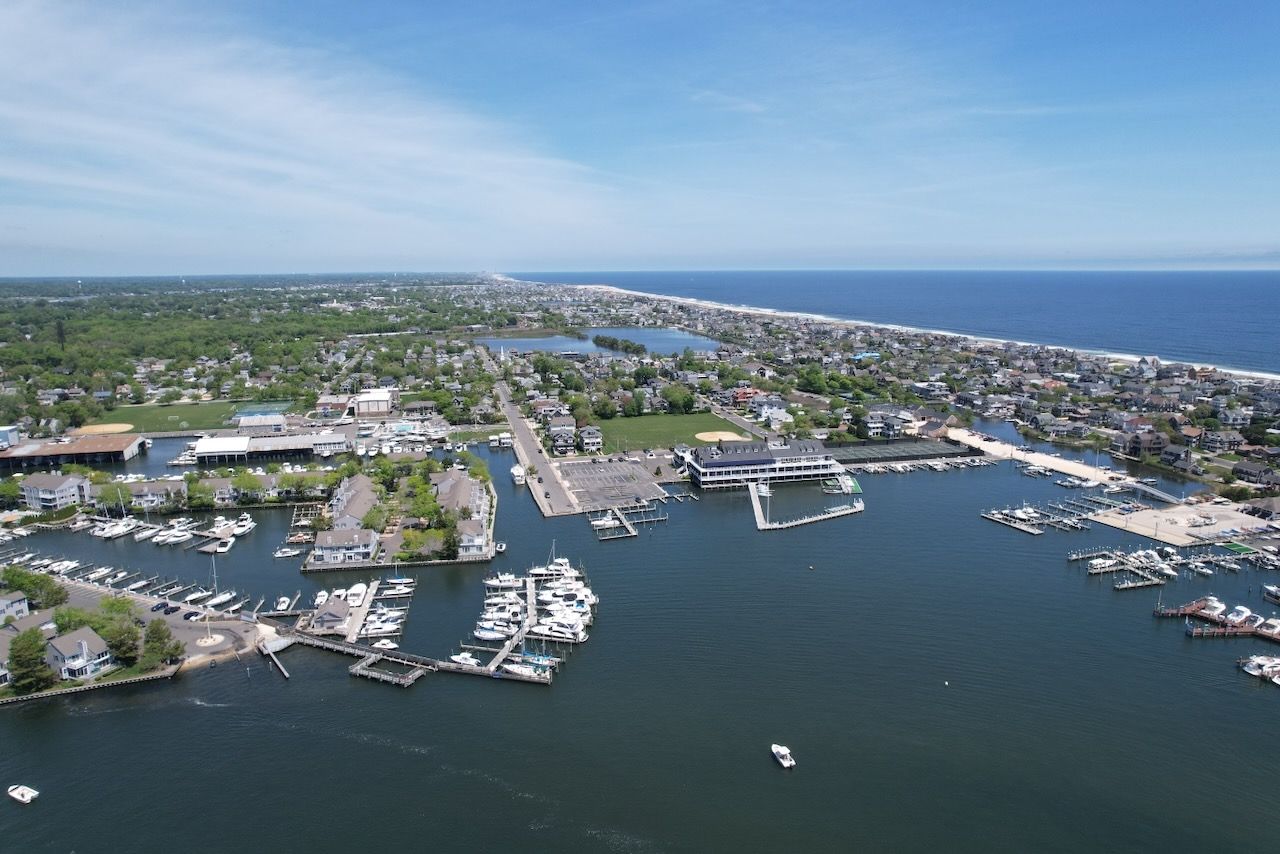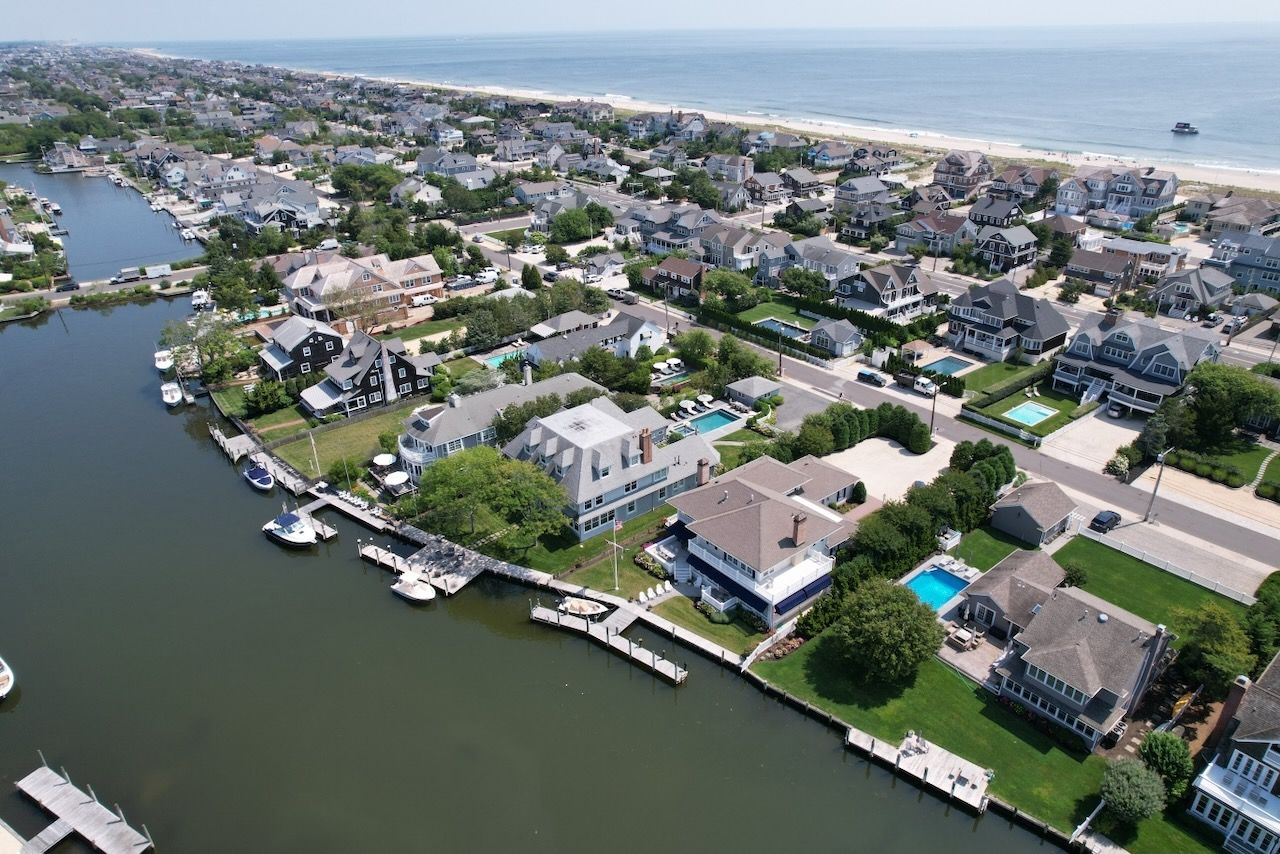
Ocean County real estate commands premium prices, and the carrying costs associated with these homes require careful budget planning. Buyers looking at coastal properties often find that local tax rates vary widely from one borough to the next.
The exact amount you owe depends on the municipal budget, county requirements, and the assessed value of the specific parcel. Knowing how these elements come together helps you anticipate your monthly housing expenses before making an offer.
How Bay Head Tax Rates Compare Locally
The 2026 effective tax rate for Bay Head, NJ is approximately 0.97%. This figure falls well below the Ocean County average, which ranges from 1.42% to 1.75% depending on the specific municipality.
When compared to the rest of the state, the borough offers a lower baseline percentage. The New Jersey state median effective rate typically sits above 1.89%, with many inland towns approaching 2.88%.
A lower percentage does not automatically translate to a small annual tax bill. Because market values along this stretch of the coast are high, the total dollar amount paid by homeowners remains substantial. Buyers should calculate their estimated costs using the assessed value rather than relying on the percentage alone.
The Local Assessment Process
The local tax assessor evaluates market data to establish the assessed value of every parcel in the borough. This valuation serves as the foundation for your annual tax bill.
The final tax levy comes from combining the municipal budget, the local school district funding requirements, and the Ocean County budget. For context, the 2026 Ocean County adopted budget tax rate is 28.2 cents per $100 of equalized property value.
Filing an Assessment Appeal
Homeowners who believe their property is assessed above its true market value can file an appeal. The standard deadline to file a tax appeal in New Jersey is April 1 of the current tax year.
You must provide comparable sales data proving the home is overvalued. The county tax board reviews these appeals and determines if an adjustment is warranted.
Estimated Annual Carrying Costs
A home's purchase price does not immediately become its assessed value for tax purposes. Assessors value properties based on long-term market trends rather than a single recent transaction.
Looking at estimated bills helps clarify what buyers can expect to pay over the course of a year. The following calculations use the current 0.97% effective rate applied to different property types:
- Standard inland single-family home: A property with an assessed value of $1,500,000 generates an annual tax bill of approximately $14,550.
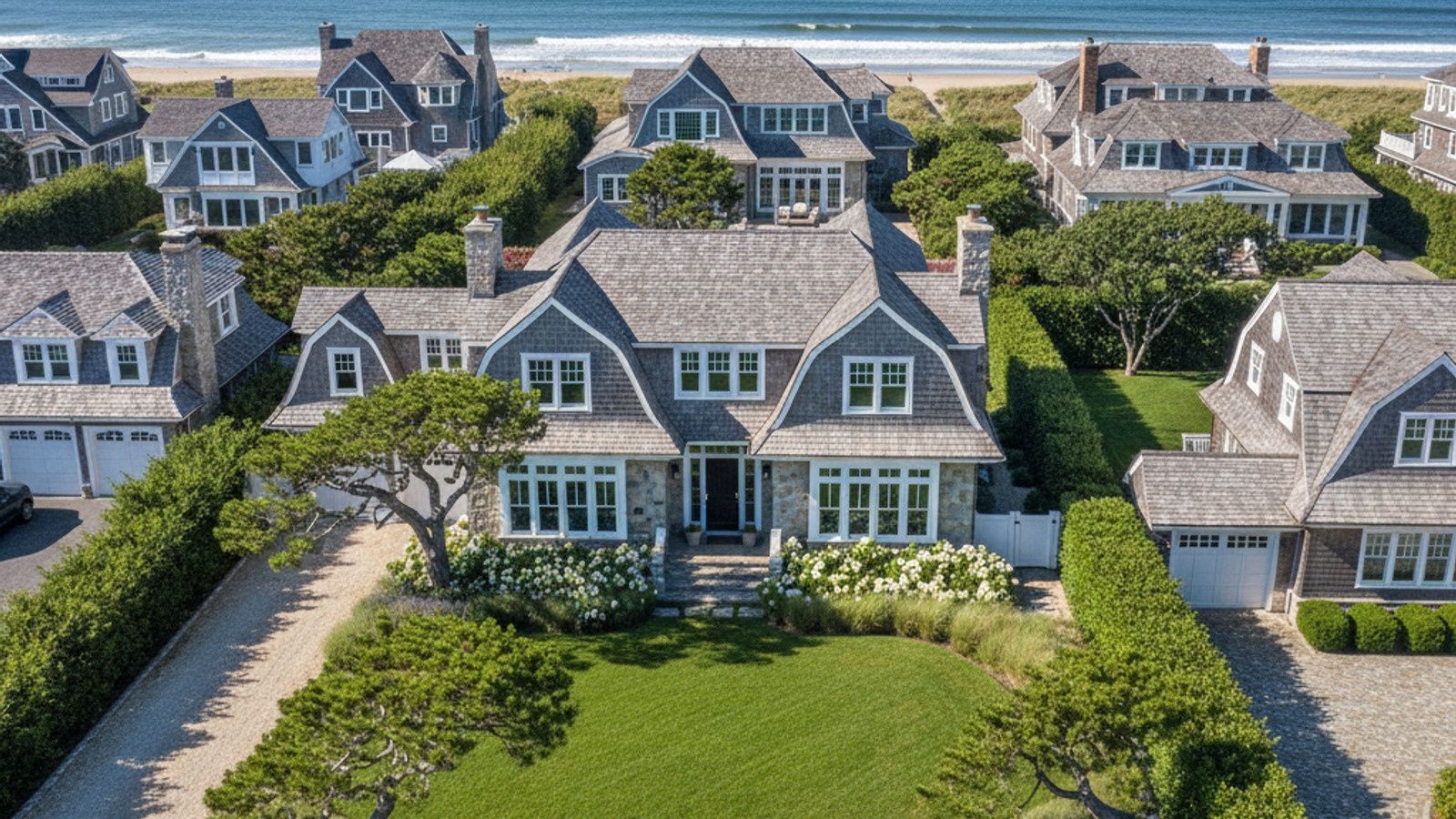
- Luxury oceanfront estate: A larger property carrying an assessed value of $4,000,000 results in an annual tax obligation of roughly $38,800.
Buyers should review the specific tax history of any home they plan to purchase. The local MLS listings typically display the most recent annual tax amount for easy reference.
State Relief Programs for Homeowners
New Jersey offers several deductions and exemptions to help offset annual carrying costs. These programs target specific income brackets and age groups.
Homeowners must submit separate applications for these state-level benefits, as they are not automatically applied to the municipal tax bill. The state issues these benefits as direct rebates or credits.
The ANCHOR Benefit
The ANCHOR program provides up to $1,500 for homeowners under the age of 65 who earn less than $250,000 annually. For the 2025/2026 season, the application deadline is set for November 2026.
Seniors receive a slightly higher benefit under this program. Homeowners aged 65 and older can receive up to $1,750 in property tax relief.
Senior Freeze and Stay NJ
The Senior Freeze program reimburses eligible older residents for property tax increases that occur after their base year in the program. Applicants must meet specific income thresholds and residency requirements to qualify.
The Stay NJ program is rolling out quarterly payments in 2026 to further assist older homeowners. This initiative features a $6,500 benefit cap for eligible seniors, providing another layer of financial relief.
Managing Your Quarterly Payments
New Jersey municipalities collect property taxes four times a year. The tax collector issues bills annually, usually in the summer, containing the payment stubs for the third and fourth quarters of the current year, plus the first and second quarters of the upcoming year.
The borough offers a 10-day grace period for each payment cycle. Payments received after the 10th of the month will incur interest charges.
Homeowners can pay their bills online through the borough website, drop off a check in person, or mail their payment directly to the tax collector's office. Many buyers choose to have their lender escrow these taxes and manage the quarterly payments on their behalf.
Frequently Asked Questions
When are property taxes due in Bay Head, New Jersey?
Quarterly taxes in New Jersey are due on February 1, May 1, August 1, and November 1. If you miss these dates, you have until the 10th of that month to submit payment before the borough applies late penalties.
How do I appeal my property tax assessment in Bay Head, NJ?
You must file a formal petition with the Ocean County Board of Taxation by April 1. Your appeal should include recent sales data for comparable homes in the borough to demonstrate that your current assessment exceeds the property's true market value.
Where can I contact the Tax Collector in Bay Head, NJ?
The tax collector operates out of the municipal building located on Bridge Avenue. You can visit the office during regular business hours to drop off payments or ask questions about your specific account balance.
Selling Your Home?
Get your home's value - our custom reports include accurate and up to date information.

.jpg)